About The Song
“That Lonesome Valley” is a track by American country singer Patsy Cline, recorded on February 5, 1963, at Bradley Film and Recording Studio in Nashville, Tennessee, during her final recording sessions (February 4–7, 1963) produced by Owen Bradley. The song is a traditional gospel/spiritual hymn with roots in African American spirituals and early 20th-century sacred music, often attributed to public domain or folk origins (sometimes credited to J.R. Baxter or traditional arrangements). Cline’s version features her tender, reverent vocals over a gentle, sparse arrangement with acoustic guitar, light piano (likely Floyd Cramer), upright bass, and subtle backing—reflecting a stripped-down, intimate gospel style amid her late Decca sessions’ mix of standards and orchestral ballads. The recording runs approximately 2:20 in duration and showcases her ability to convey deep spiritual longing with emotional authenticity.
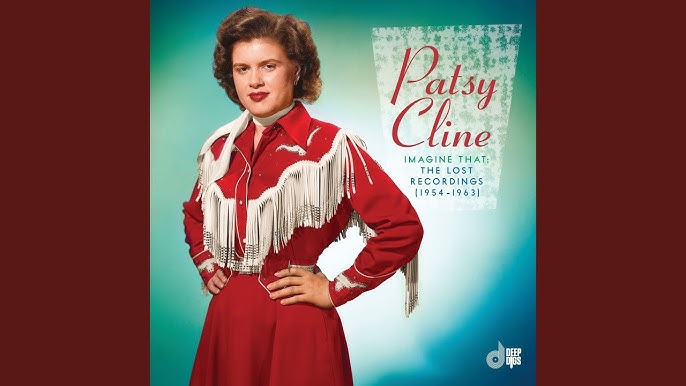
The song was not released as a standalone single during her lifetime and did not chart on the Billboard Hot Country Songs or pop charts. It first appeared posthumously on the 1964 Decca compilation album That’s How a Heartache Begins (released November 2, 1964) alongside other unreleased and single tracks from her final sessions. The track later surfaced on various gospel-focused retrospectives and compilations, including Patsy Cline Gospel Songs (various budget labels), The Patsy Cline Story (1973), Gold (2005), The Commemorative Collection, and archival releases such as Imagine That: The Lost Recordings (1954-1963) (2025 Elemental Music/Deep Digs). It has been reissued in collections highlighting her occasional gospel material and the spiritual side of her catalog.
Musically, “That Lonesome Valley” is a slow, solemn gospel ballad with minimal instrumentation that emphasizes Cline’s vocal phrasing and emotional weight. The lyrics draw from traditional spiritual imagery of the journey to death and judgment (“Everybody’s got to walk that lonesome valley / We’ve got to walk it by ourselves”), portraying life’s solitary path toward the end (“There ain’t nobody here can walk it for you / You’ve got to walk that lonesome valley by yourself”). The song conveys universal themes of mortality, personal accountability, and the inevitability of facing one’s fate alone, delivered with Cline’s signature warmth and quiet strength. Owen Bradley’s production keeps it understated and authentic, allowing her voice to carry the spiritual message without heavy orchestration, making it a poignant contrast to her more romantic or upbeat late-period recordings.
As one of her very last studio recordings, “That Lonesome Valley” holds special poignancy in her discography of over 100 tracks from 1955 to 1963. While not a commercial hit, it demonstrates her versatility across genres—from heartbreak to gospel—and the depth she brought to sacred material. Posthumous releases helped sustain her popularity, with the song frequently included in compilations highlighting her gospel-influenced tracks and final sessions. Sources such as discographies, session logs, and Genius annotations confirm the February 5, 1963 recording date and its inclusion in That’s How a Heartache Begins (1964), underscoring her legacy as a pioneering female country artist who brought profound sincerity, vulnerability, and emotional resonance to spiritual themes in the Nashville Sound era before her tragic passing.
Video
Lyric
Everybody’s got to walk that lonesome valley
We’ve got to walk it by ourselves
There ain’t nobody here can walk it for you
You’ve got to walk that lonesome valley by yourselfSome say John was a Baptist
Some say John was a Jew
Some say John was a preacher
But my Bible says he was a preacher tooEverybody’s got to walk that lonesome valley
We’ve got to walk it by ourselves
There ain’t nobody here can walk it for you
You’ve got to walk that lonesome valley by yourselfMothers and fathers will have to walk it
Sisters and brothers will have to walk it too
Preachers and teachers will have to walk it
You’ve got to walk that lonesome valley by yourself