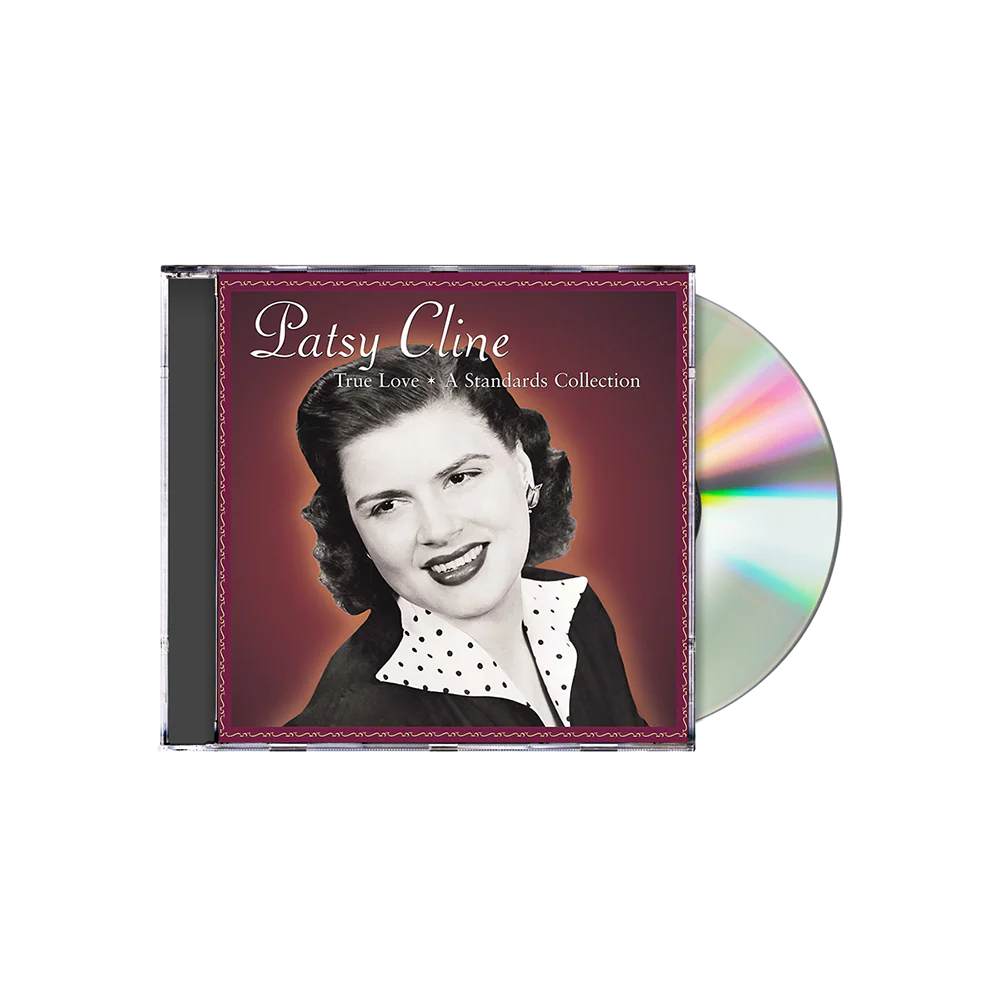
About The Song
“True Love” is a track by American country singer Patsy Cline, recorded on February 5, 1963, at Bradley Film and Recording Studio in Nashville, Tennessee, during her final recording sessions (February 4–7, 1963) produced by Owen Bradley. The song is a cover of the 1956 popular standard written by Cole Porter for the musical High Society (originally performed by Bing Crosby and Grace Kelly, and a hit for Crosby with the song peaking at number 13 on the Billboard pop chart in 1956). Cline’s version features her warm, romantic vocals over lush Nashville Sound orchestration arranged by Bill McElhiney, including strings, The Jordanaires on backing harmonies, and session musicians such as Grady Martin (electric guitar), Harold Bradley (electric bass), Floyd Cramer (piano), Bob Moore (bass), Buddy Harman (drums), and a full string section with violinists like Brenton Banks and George Binkley III. The recording runs approximately 2:45 in duration and exemplifies the sophisticated, orchestral pop-country style that defined her late Decca era (1960–1963).
The song was not released as a standalone single during her lifetime and did not chart on the Billboard Hot Country Songs or pop charts. It first appeared posthumously on the 1964 Decca compilation album That’s How a Heartache Begins (released November 2, 1964) alongside other unreleased and single tracks from her final sessions. The track later surfaced on various retrospectives, including The Patsy Cline Story (1973), Gold (2005), The Commemorative Collection, and archival releases such as Imagine That: The Lost Recordings (1954-1963) (2025 Elemental Music/Deep Digs). A live version from radio transcriptions or TV performances also exists in some collections.
Musically, Cline’s rendition is a gentle, dreamy ballad with swaying strings, soft piano, and The Jordanaires’ warm harmonies creating a romantic, nostalgic atmosphere. Her vocal performance is tender and controlled, emphasizing the joyful sincerity in the melody. The lyrics are a classic declaration of enduring, genuine love (“True love, true love / So rare, so true / True love, true love / For me and you”), with simple, heartfelt expressions of devotion (“I give to you and you give to me / True love, true love”). Owen Bradley’s production elevates the Cole Porter standard to a sophisticated country-pop piece, aligning with Cline’s successful late-period sound on hits like “Crazy” and “She’s Got You,” showcasing her interpretive depth and vocal elegance on timeless romantic material.
As one of her very last studio recordings, “True Love” carries special poignancy in her discography of over 100 tracks from 1955 to 1963. While not a commercial hit, it demonstrates her ability to bring warmth and authenticity to standards and popular songs. Posthumous releases helped sustain her popularity, with the song frequently included in compilations highlighting her final sessions and lighter, romantic side. Sources such as discographies, session logs, and Genius annotations confirm the February 5, 1963 recording date and its inclusion in That’s How a Heartache Begins (1964), underscoring her legacy as a pioneering female country artist who blended vulnerability, sincerity, and sophistication in her interpretations of love and devotion in the Nashville Sound era before her tragic passing.
Video
Lyric
True love, true love
So rare, so true
True love, true love
For me and youI give to you and you give to me
True love, true love
That’s how it should beTrue love, true love
So rare, so true
True love, true love
For me and youNo greater love has ever been known
True love, true love
Is ours aloneTrue love, true love
So rare, so true
True love, true love
For me and you