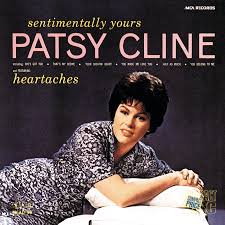
About The Song
“Heartaches” is a track by American country singer Patsy Cline, recorded on August 25, 1961, at Bradley Film and Recording Studio in Nashville, Tennessee, during a Decca session produced by Owen Bradley. The song is a cover of the 1931 popular standard originally written by Al Hoffman (music) and John Klenner (lyrics), first made famous by Guy Lombardo and His Royal Canadians (number 1 hit in 1931) and later recorded by artists including Ted Weems, Connie Boswell, and many others across genres. Cline’s version features her signature emotive phrasing over lush Nashville Sound orchestration arranged by Bill McElhiney, including strings, The Jordanaires on backing vocals, and session musicians such as Grady Martin (electric guitar), Harold Bradley (electric bass), Floyd Cramer (piano), Bob Moore (bass), Buddy Harman (drums), and a full string section. The recording runs approximately 2:12 in duration and exemplifies the polished, orchestral pop-country crossover style that defined her Decca era from 1960 to 1963.
The song was released posthumously as a single on Decca Records (catalog 31529) in July 1963, paired with “Your Cheatin’ Heart” as the A-side, shortly after Cline’s death in a plane crash on March 5, 1963. It did not chart on the Billboard Hot Country Songs or pop charts. The track appeared on the 1964 Decca compilation album That’s How a Heartache Begins (released November 2, 1964) alongside other unreleased and single tracks. It later surfaced on various retrospectives, including The Patsy Cline Story (1973), Gold (2005), The Commemorative Collection, and archival releases such as Imagine That: The Lost Recordings (1954-1963) (2025 Elemental Music/Deep Digs). A live version from radio transcriptions or TV performances also exists in some collections.
Musically, Cline’s rendition transforms the Tin Pan Alley standard into a gentle, melancholic country ballad with swaying strings, soft piano, and The Jordanaires’ warm harmonies creating a dreamy, nostalgic atmosphere. Her vocal performance is tender and restrained, emphasizing the sorrowful longing in the melody. The lyrics express heartbreak and resignation after a failed romance (“Heartaches, heartaches / My loving you makes my heart break / When we are far apart / Each night is a lonely heart”), with imagery of tears, loneliness, and unfulfilled love. Owen Bradley’s production elevates the classic to a sophisticated pop-country piece, aligning with Cline’s successful late-period sound on hits like “Crazy” and “She’s Got You,” showcasing her interpretive depth on timeless material.
As one of her final studio recordings, “Heartaches” holds significance in her discography of over 100 tracks from 1955 to 1963. While not a commercial hit, it demonstrates her vocal elegance and the orchestral direction of her Decca phase. Posthumous releases helped sustain her popularity, with the song frequently included in compilations highlighting her ability to bring emotional authenticity to standards and popular songs. Sources such as discographies, Wikipedia song lists, and session logs confirm the August 25, 1961 recording date and its role as a posthumous single, underscoring her legacy as a pioneering female country artist who blended vulnerability with sophistication in her interpretations of heartbreak themes.
Video
Lyric
Heartaches, heartaches
My loving you makes my heart break
When we are far apart
Each night is a lonely heartHeartaches, heartaches
My one romance just can’t be true
When my heartaches end
I’ll find someone newHeartaches, heartaches
My loving you makes my heart break
When we are far apart
Each night is a lonely heartHeartaches, heartaches
My one romance just can’t be true
When my heartaches end
I’ll find someone new